What is Industrial Wool Felt?
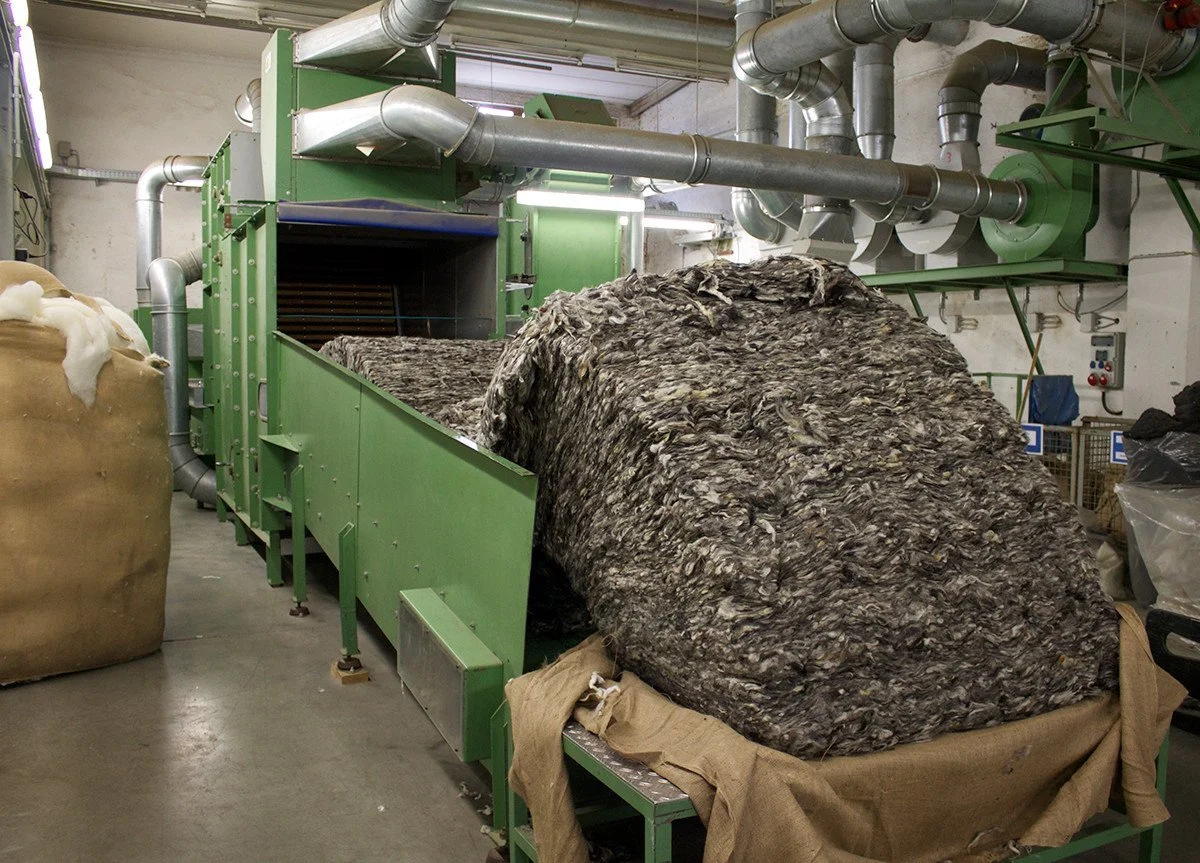
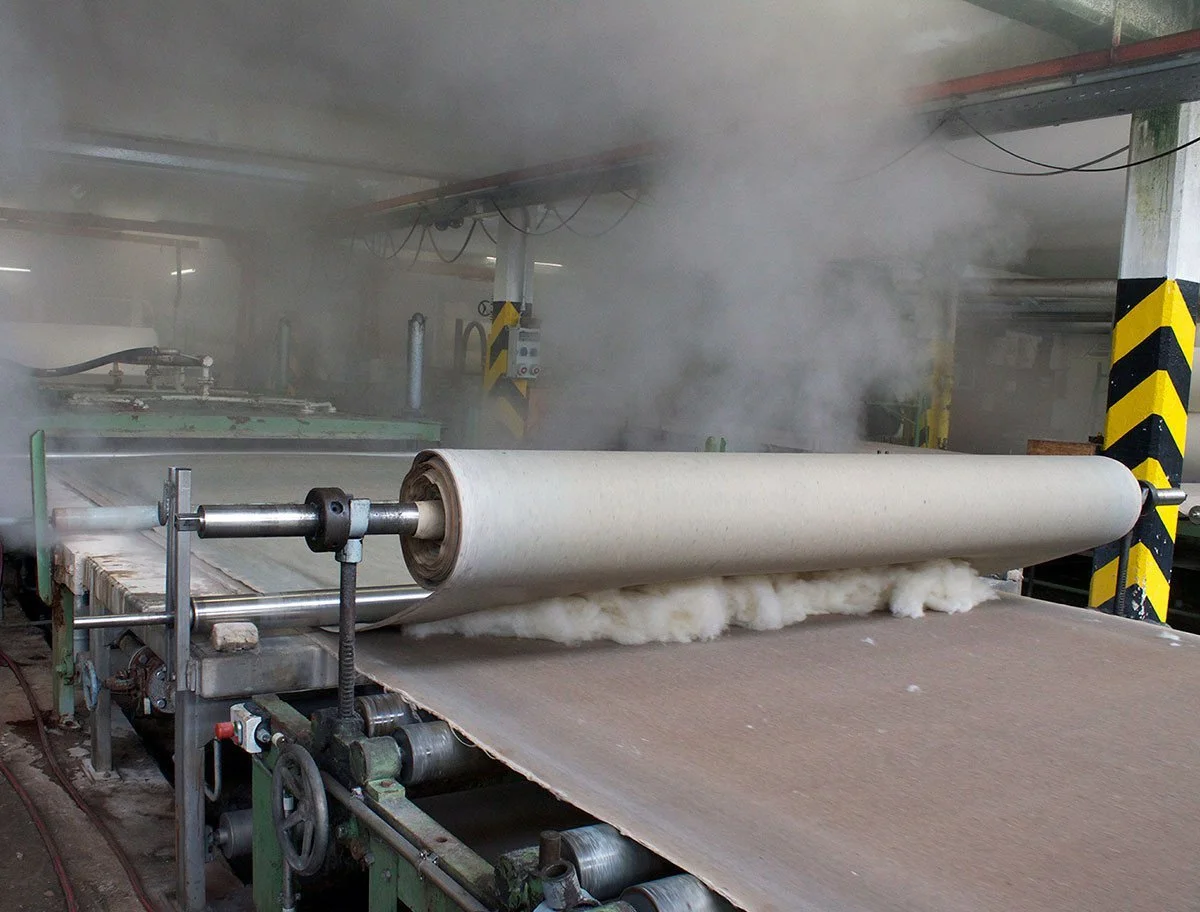
Industrial Wool felt is a dense, non-woven textile produced by matting, condensing and pressing wool fibres together. Unlike woven or knitted fabrics, felt forms through fibre entanglement, typically using heat, moisture and mechanical action.
Industrial wool felt is engineered for durability, thermal stability and resilience, and it is available in a range of densities, thicknesses and finishes to meet diverse industrial requirements.
Key properties
Thermal insulation: Wool fibres have natural insulating properties and good heat resistance. Felt provides steady thermal performance across a wide temperature range.
Acoustic damping: The open fibre network absorbs and dissipates sound and vibration, making felt useful for noise control.
Compression resilience: High-density felts resist deformation and recover well after load cycles, offering cushioning and sealing performance.
Moisture handling: Wool can absorb and release moisture without losing structural integrity; this moderates humidity and can reduce condensation in assemblies.
Chemical and flame behaviour: Wool is naturally flame-retardant compared with many synthetic fibres
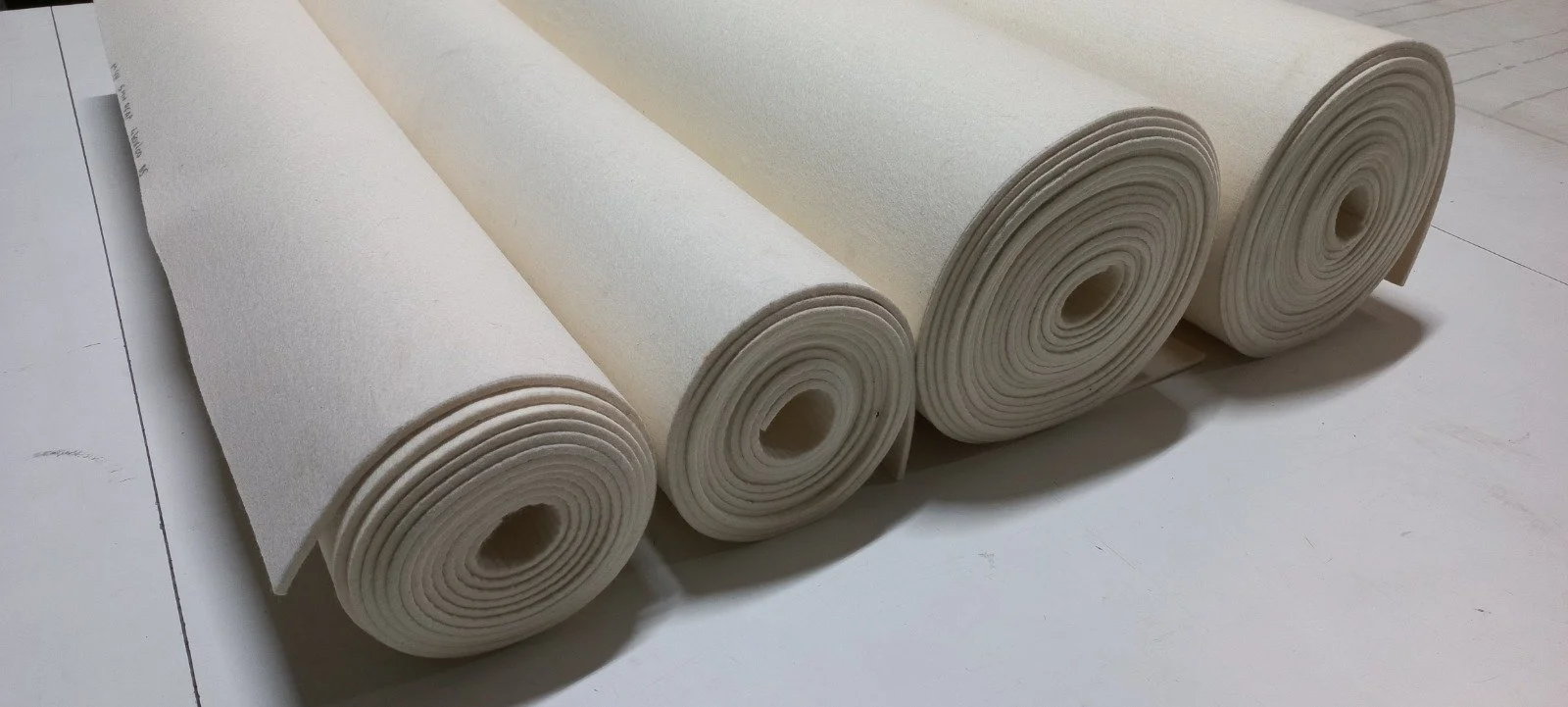
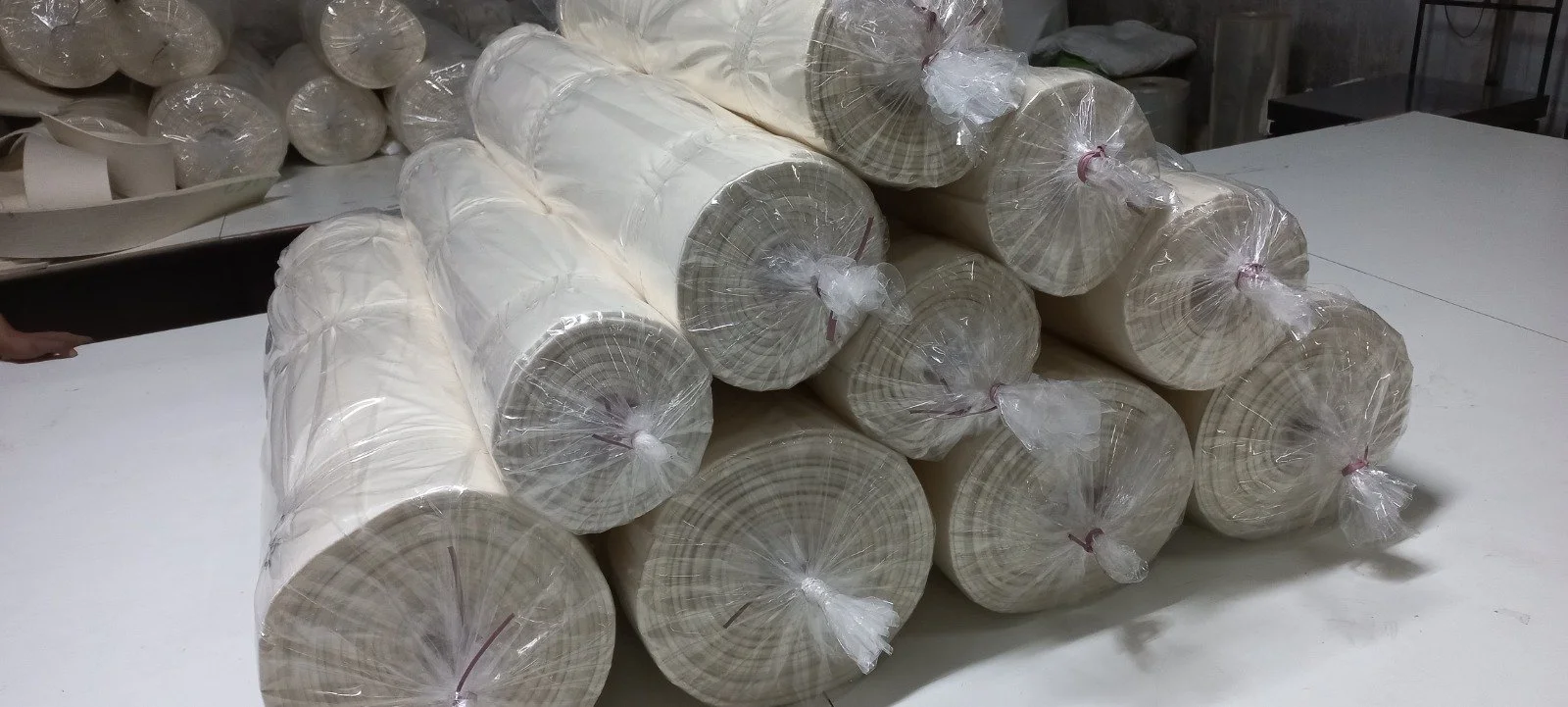
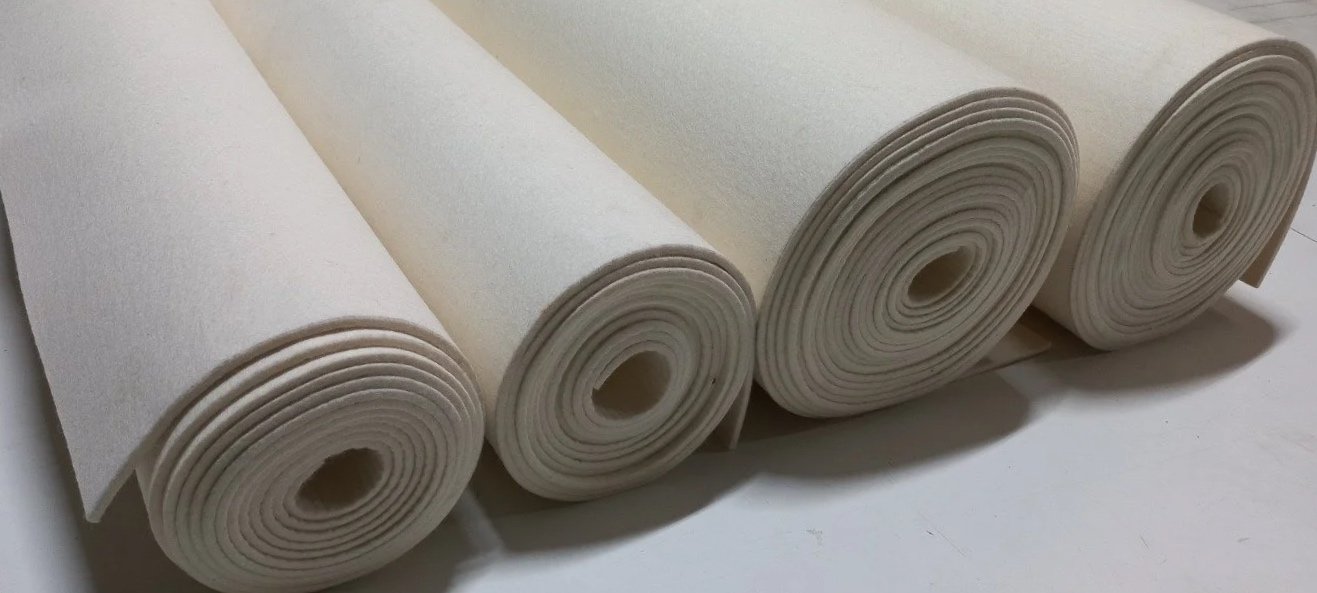
WOOL FELT ROLLS
Composition: 100% Wool and blended felt
Thickness: 2mm to 30mm
Density: 0.18 to 0.44 gmcc3
Width:1500 to 1800 mm
Colour: White / Grey / Black
RequirementSpecifications:
U.S. SAE-J341B and CF-206
British BS-4060
German DIN-61200
Russian GOST-288 and 6308
Indian IS-1719
Japanese JIS-L-3201
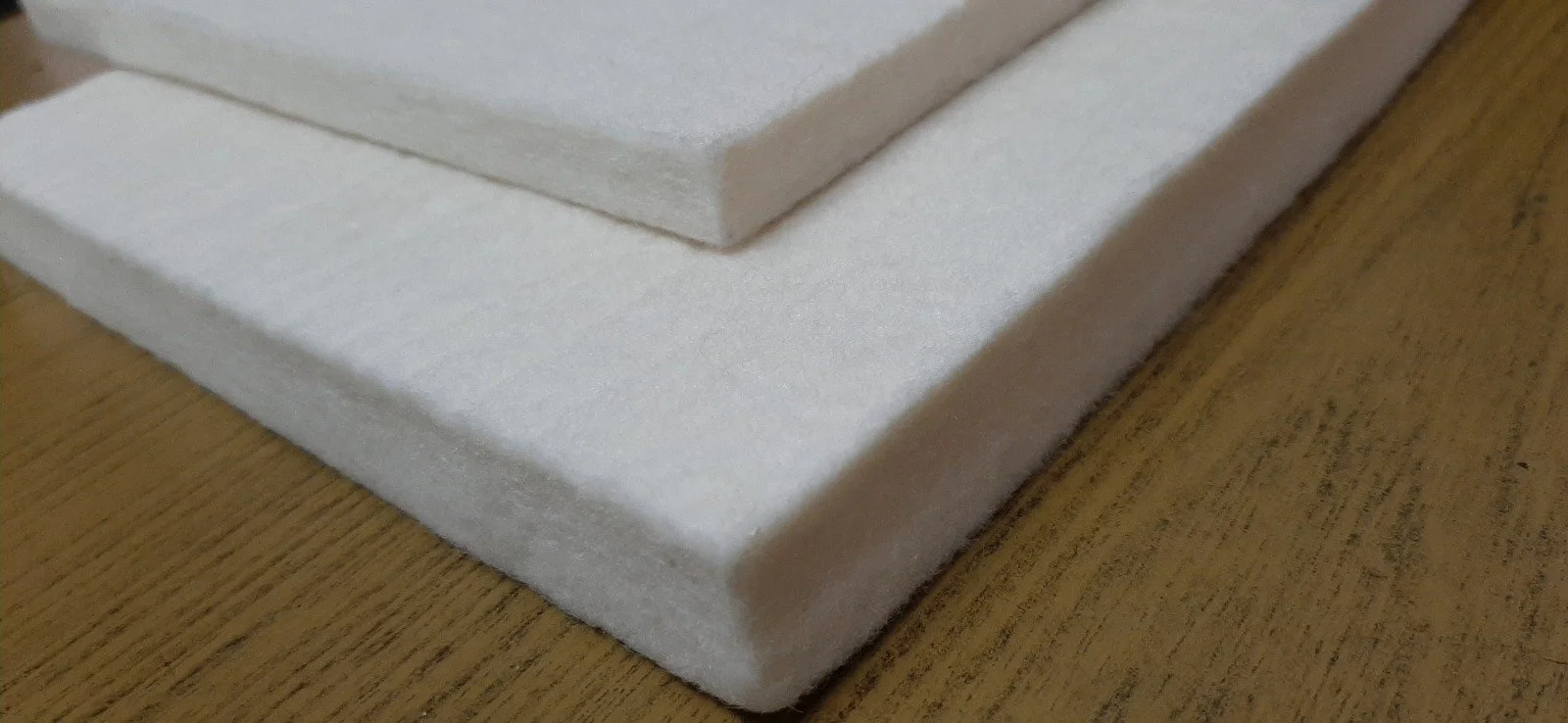
WOOL FELT SHEETS
Composition: 100% Wool
Thickness: 3mm to 60mm
Density: 0.36 to 0.70 gmcc3
Width: Up to 1000 mm
Length:1500 mm
Colour:White / Grey
“Higher Thickness and Density possible”
RequirementSpecifications:
U.S. SAE-J341B and CF-206
British BS-4060
German DIN-61200
Russian GOST-288 and 6308
Indian IS-1719
Japanese JIS-L-3201
What are the uses of Wool Felt?
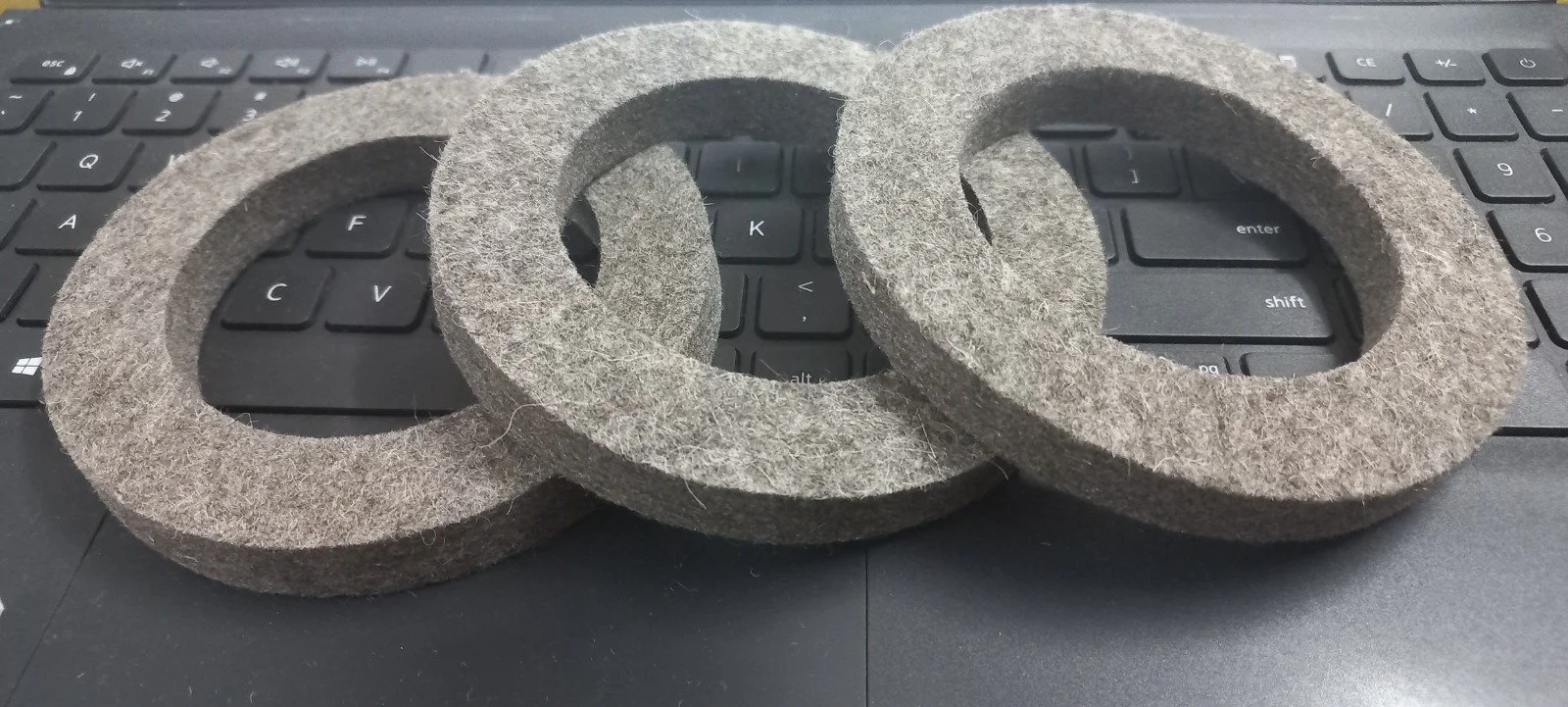
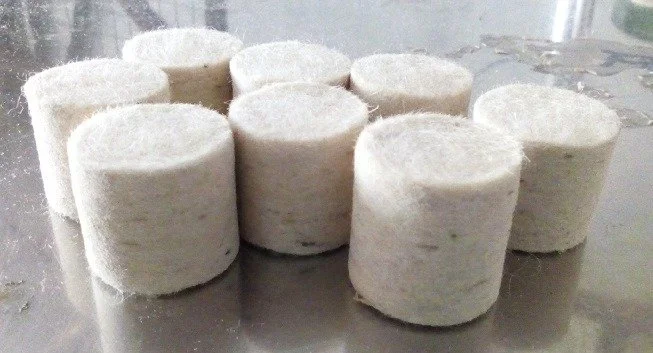
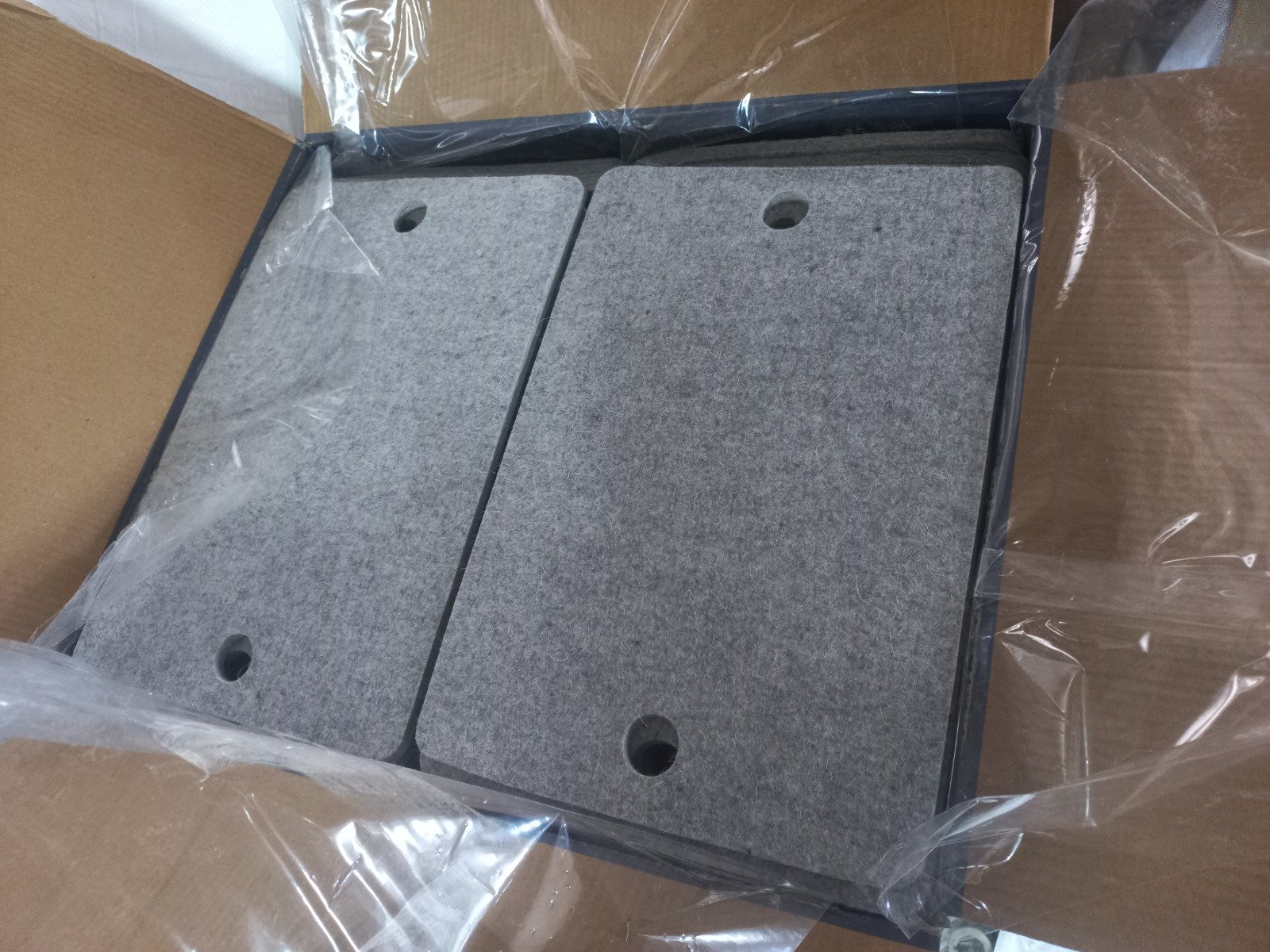
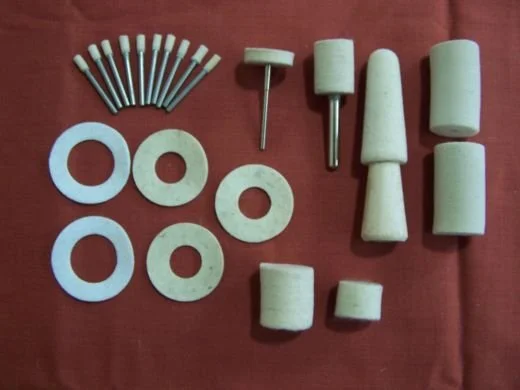
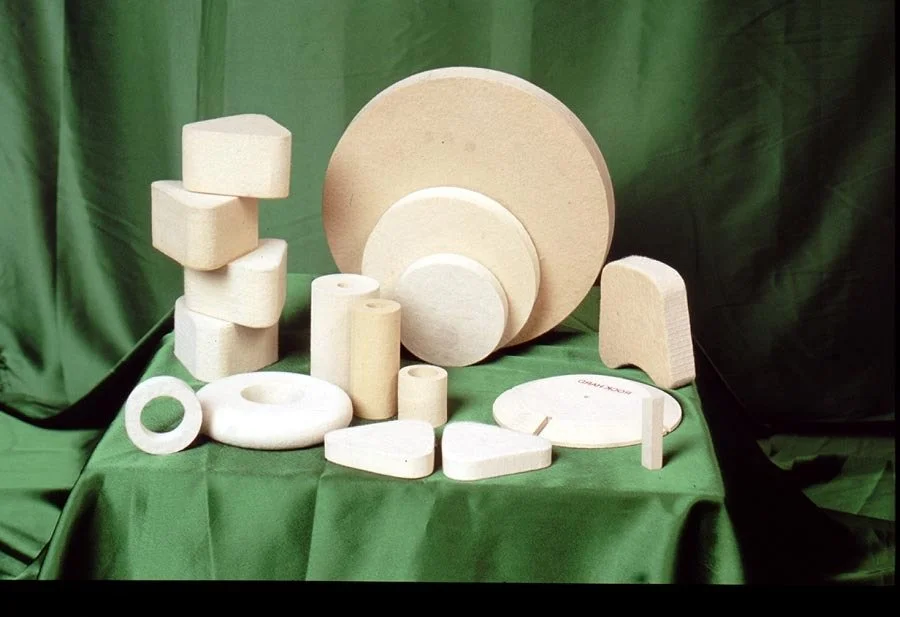
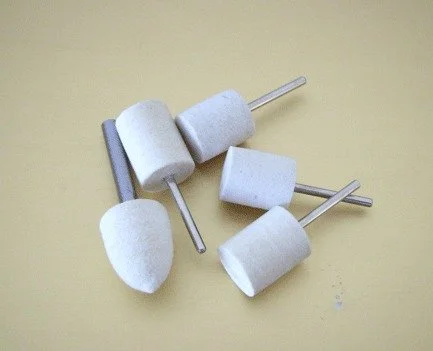
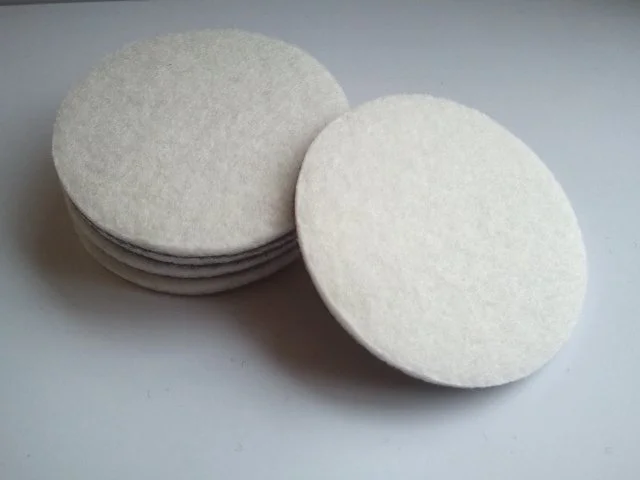
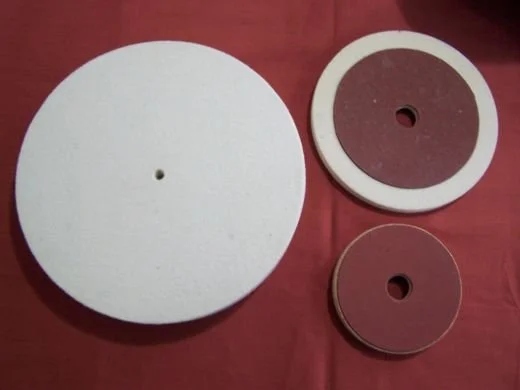
Wool Felts and its Industrial uses:
Typical grades and forms: sheets, rolls, strips, pads, gaskets, custom-cut parts
I. Sealing and gasketing
Rotary shaft seals and flange gaskets
Valve and pump packing
Static and dynamic seals in heavy equipment
Advantages: conformability to irregular surfaces, oil retention for lubricated seals, vibration damping, long service life
II. Filtration and separation
Liquid filtration: fuel, oil, hydraulic fluids, coolants
Air and gas filtration in HVAC, industrial ovens, and dust collection
Multi-layer and gradient-density constructions for staged filtration
Benefits: high particle capture efficiency, thermal resistance, chemical compatibility with hydrocarbons
III. Vibration and shock control
Machine mounts and vibration isolators
Impact-absorbing pads under presses, compressors, transformers
Noise reduction panels and acoustic insulation in enclosures
Advantages: energy dissipation, longevity under cyclic loading
IV. Thermal insulation and fire protection
High-temperature gasketing and insulation around furnaces, boilers, kilns
Insulation in steam systems and pipe penetration seals
Firestop applications where wool felt’s flame resistance is required
Benefits: thermal stability, low thermal conductivity, resistance to thermal cycling
V. Polishing, buffing and finishing
Polishing wheels, buffs and pads for metal, glass, and stone finishing
Controlled abrasion for lapping and surface conditioning
Use with polishing compounds and abrasives for fine surface finish
Advantages: uniform contact, minimal scratching, long life
VI. Wicking, lubrication and oil control
Oil wicks for reservoirs, gearboxes and lubricators
Retention pads in machinery to maintain lubricant film
Use in sealed assemblies to manage lubricant distribution
Benefits: consistent lubrication, reduced leakage, contamination control
VII. Wear protection and bearings
Low-speed, load-bearing felt bushings and thrust washers
Wear strips and slide pads for heavy sliding interfaces
Replacement linings to extend component life
Advantages: self-lubricating behaviour, low friction, high compressive strength
VIII. Decorative and protective applications
Surface protection pads for transport and assembly of finished goods
Decorative trims in furniture and cabinetry for cushioning and scratch prevention
Custom-cut interior panels in high-end enclosures
IX. Specialty and custom solutions
Chemical-treated felts for enhanced resistance (hydrophobic, oil-resistant, flame-retardant)
Composite assemblies with metal or synthetic layers for hybrid performance
CNC cutting, die-cutting and CNC routing for precision parts
Rapid prototyping and small-batch production for bespoke industrial requirements
X. Selection criteria and specification guidance
Key selection factors: fibre content (pure wool vs blends), density (g/m2 or kg/m3), thickness, compressive strength, thermal rating, chemical compatibility, porosity
Testing standards and performance metrics: compression set, tensile strength, oil absorption, flame resistance, filtration efficiency
Lifecycle considerations: expected wear, maintenance intervals, environmental exposure
XI. Installation, maintenance and disposal
Installation best practices: correct compression, mating surface preparation, sealing adhesives where applicable
Maintenance: inspection intervals, cleaning methods, replacement triggers
End-of-life: recyclability, biodegradation of natural wool, safe disposal of treated/contaminated felt
XII. Case studies / Typical industry sectors
Automotive: seals, polishing, bushings, noise control
Aerospace: vibration isolation, thermal insulation, polishing
Energy and utilities: turbine seals, filtration, insulation
Manufacturing and metalworking: buffing wheels, machine pads, wicking
Chemical and petrochemical: filtration, gasketing, oil management
Transportation and heavy equipment: wear strips, cushioning, vibration damping
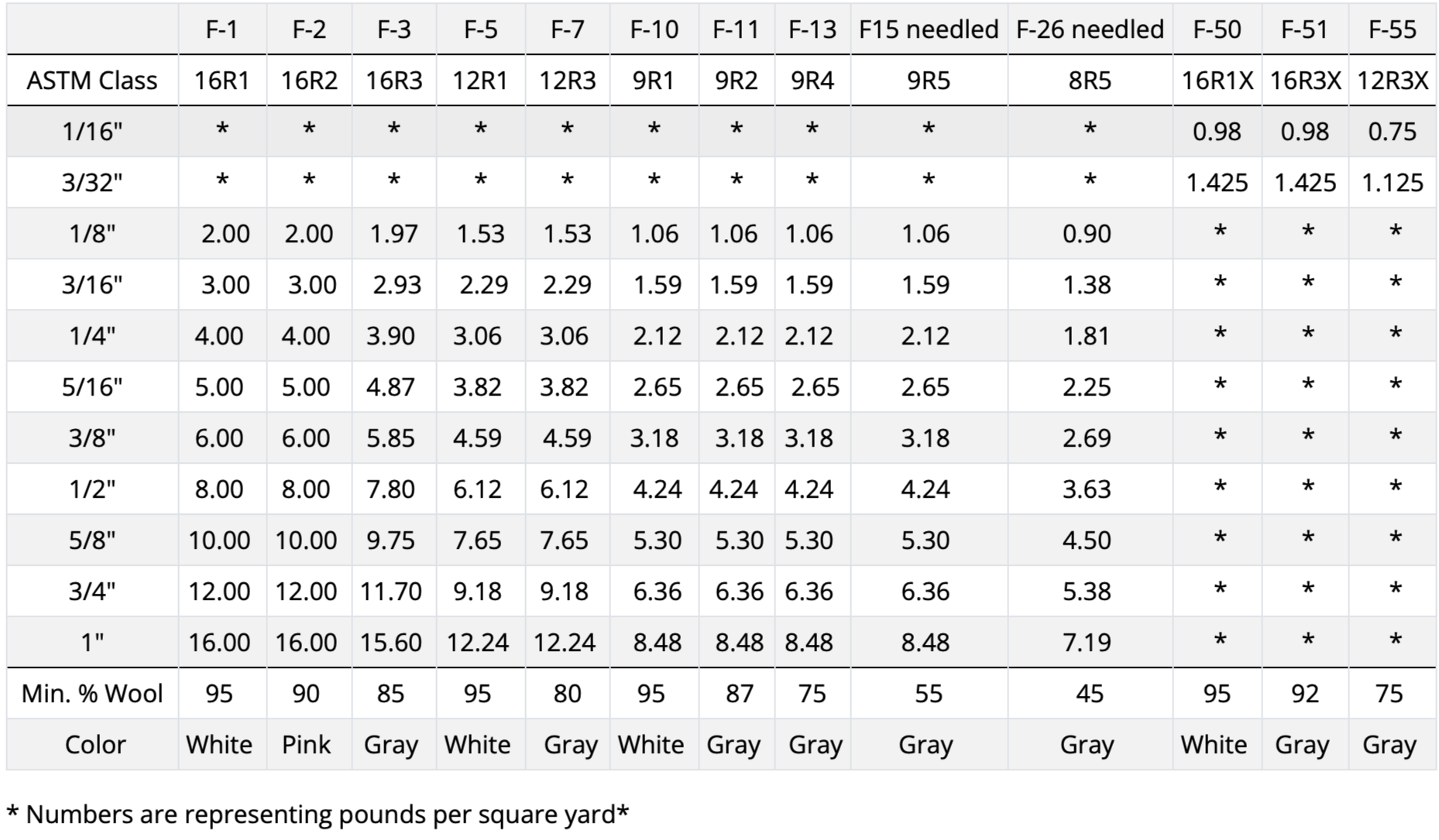
SAE Specifications Products
Pressed wool felts are made from high-quality wool fibres which are mechanically pressed using heat, moisture, and pressure. The process is mandated by SAE standards which determine the wool content, density, and other properties.