
EVERYTHING YOU NEED, IS RIGHT HERE!
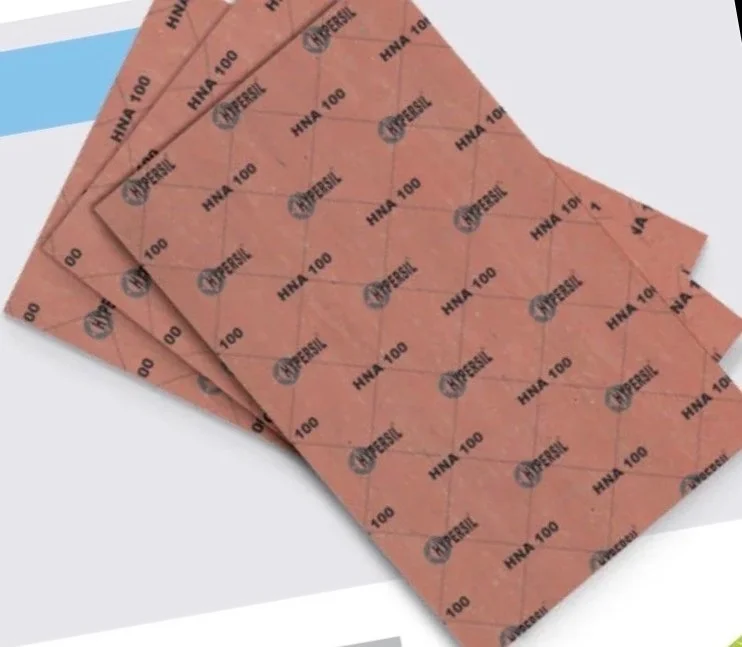
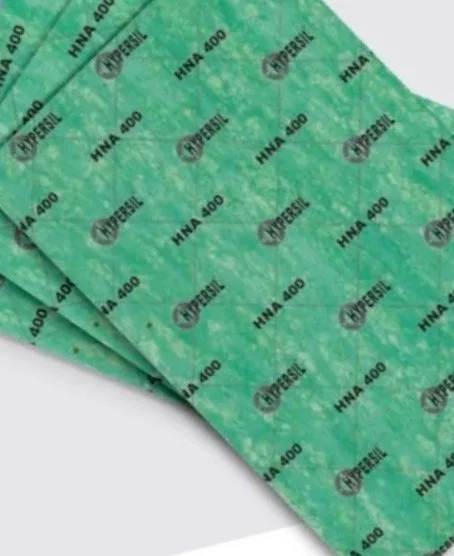
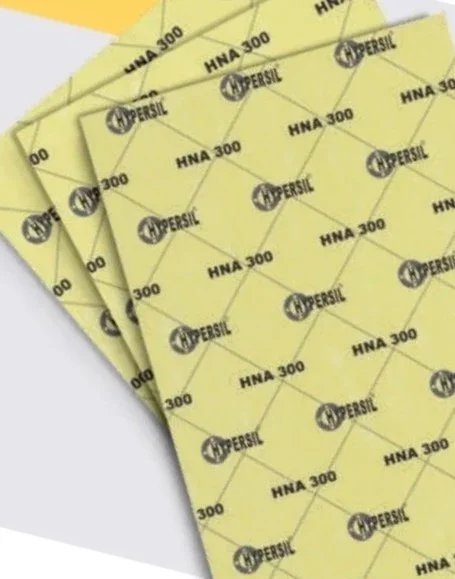
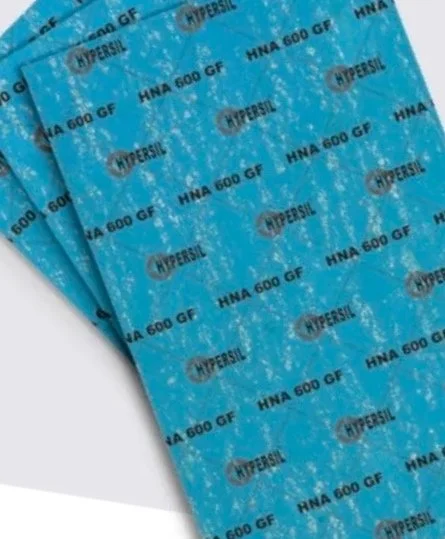
Jointing asbestos-free sheets for insulation and gaskets are high-performance, non-asbestos sealing materials engineered to withstand heat, pressure and chemical exposure. Produced from aramid, graphite, mineral fibres or elastomer-bonded composites, they provide reliable flange sealing, thermal insulation and electrical isolation across a wide range of temperatures and media.
Available in diverse thicknesses and sheet sizes, these products are cut or die-cut to fit custom gaskets and insulation panels, offering excellent compressibility, recovery and resistance to ageing and creep.
Suitable for industrial piping, heat exchangers, boilers and machinery, jointing sheets improve leak prevention, operational safety and service life in demanding environments.
Read more on Industrial and Automotive Gasket ….
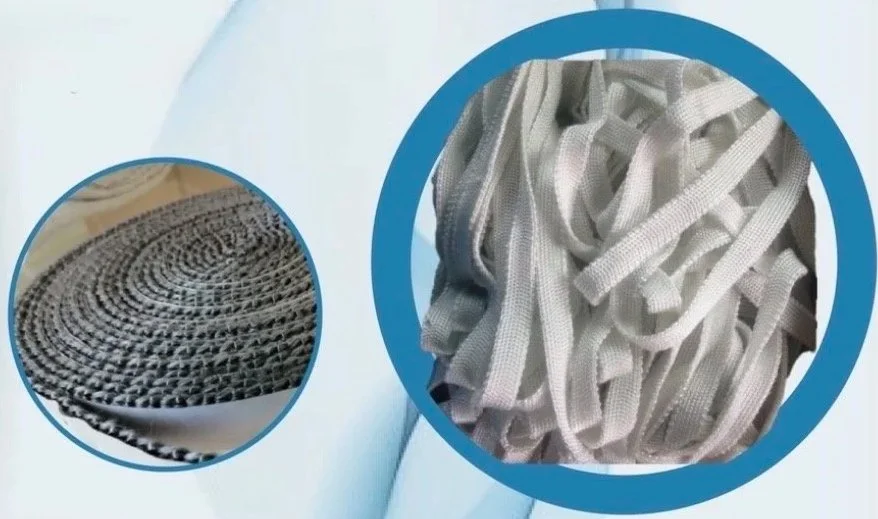
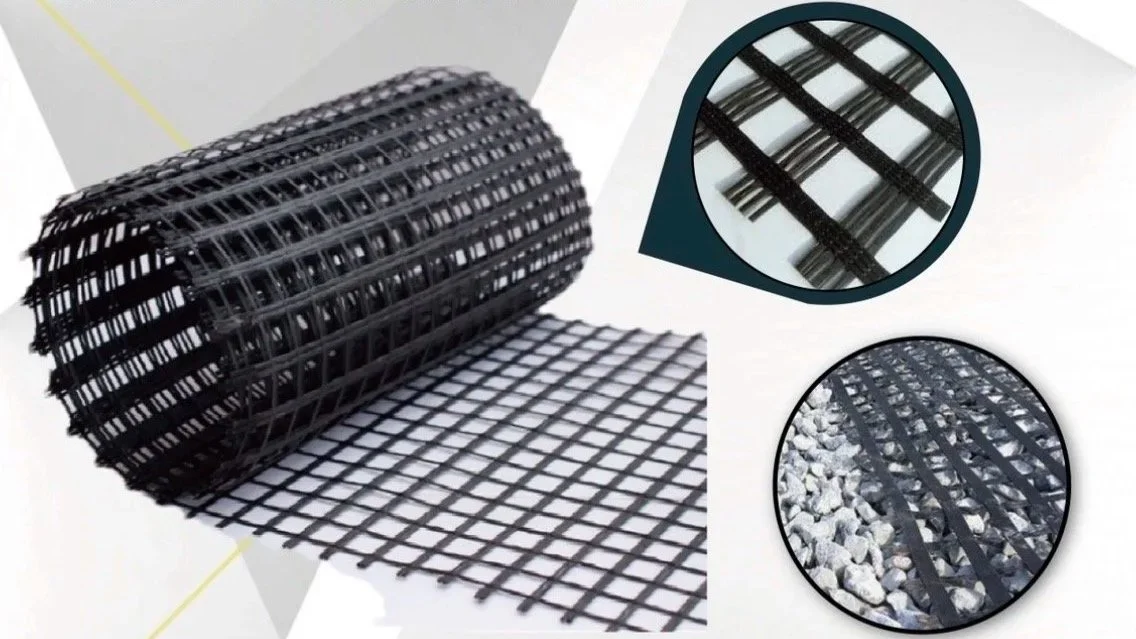
Glass fibre High-strength, cost-effective reinforcement made from fine strands of silica-based glass. Offers excellent tensile strength, good impact resistance, and dimensional stability. Commonly used in composites, insulation, and construction panels where moisture resistance and electrical insulation are required.
Basalt fibre Natural volcanic-rock-derived fibre delivering superior thermal stability and corrosion resistance compared with glass. Provides high mechanical strength, excellent chemical resistance, and enhanced fire performance. Suitable for high-temperature composites, civil-engineering reinforcements, and anti-corrosion applications.
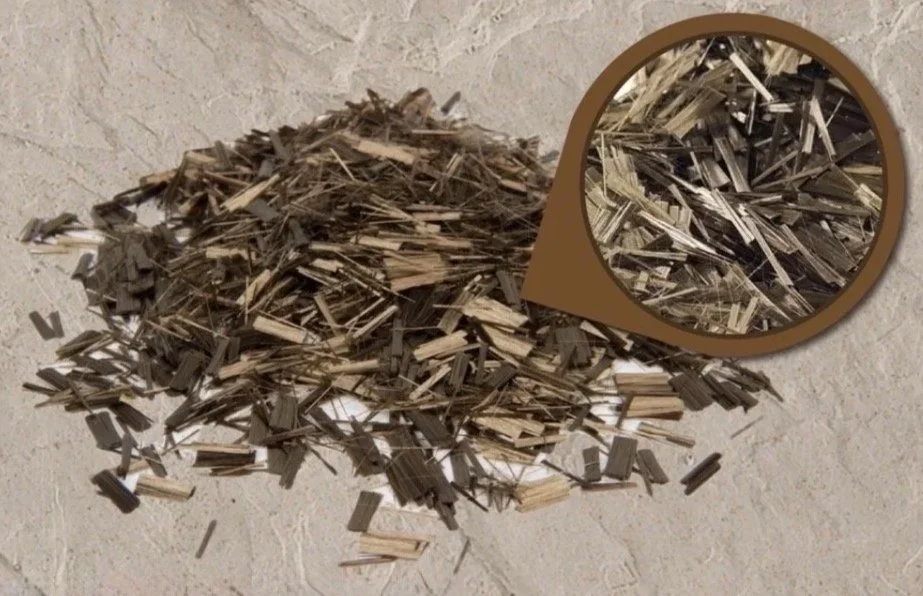
Carbon fibre Ultra-high-strength, lightweight fibre with exceptional stiffness and fatigue resistance. Delivers superior specific strength and dimensional accuracy, ideal for aerospace, automotive, sporting goods, and high-performance industrial components where weight reduction and structural performance are critical.
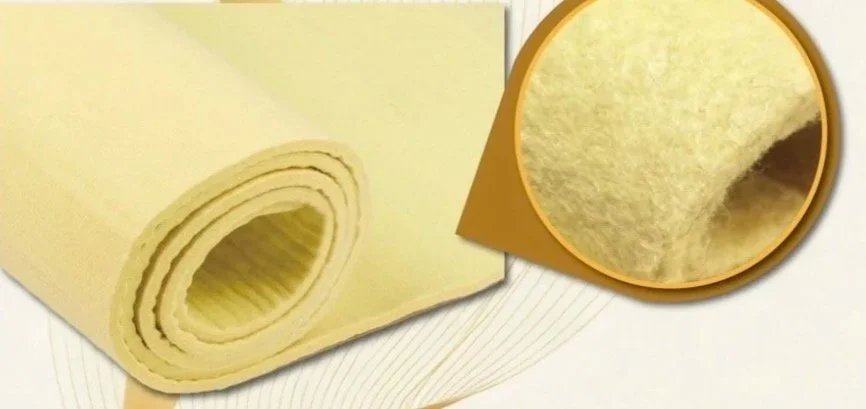
Aramid fibre Synthetic aromatic polyamide fibre known for outstanding toughness, high tensile strength, and excellent impact and abrasion resistance. Maintains performance under heat and dynamic loading. Preferred for ballistic protection, ropes, belts, composites, and applications requiring high energy absorption and cut resistance.
Read more on Industrial and Insulation materials ….
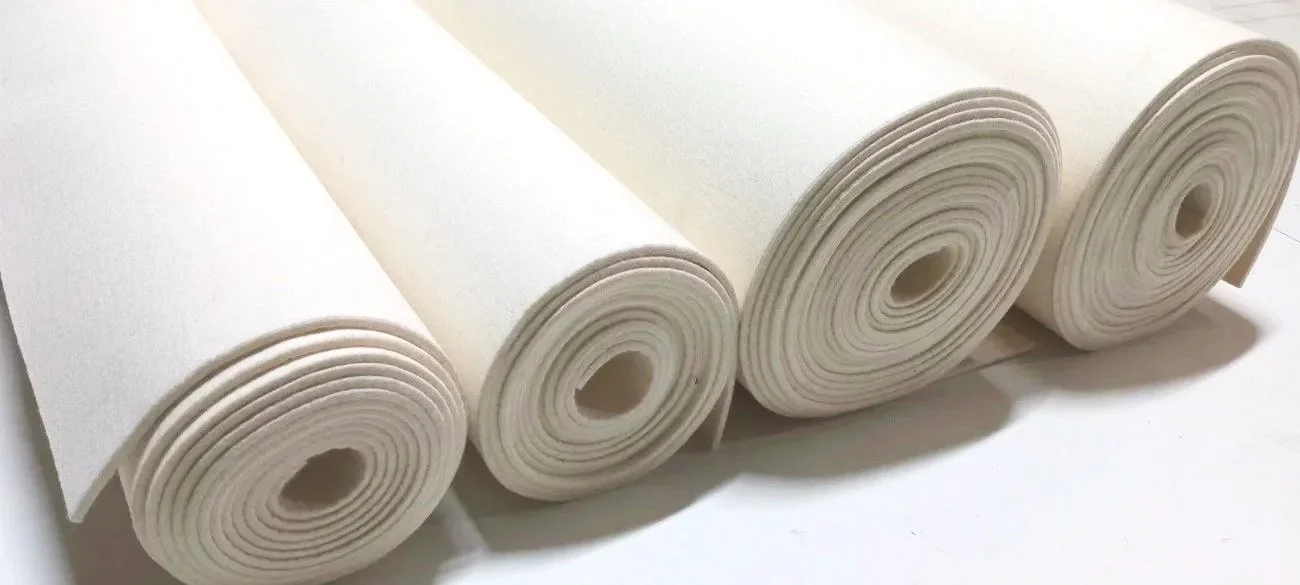
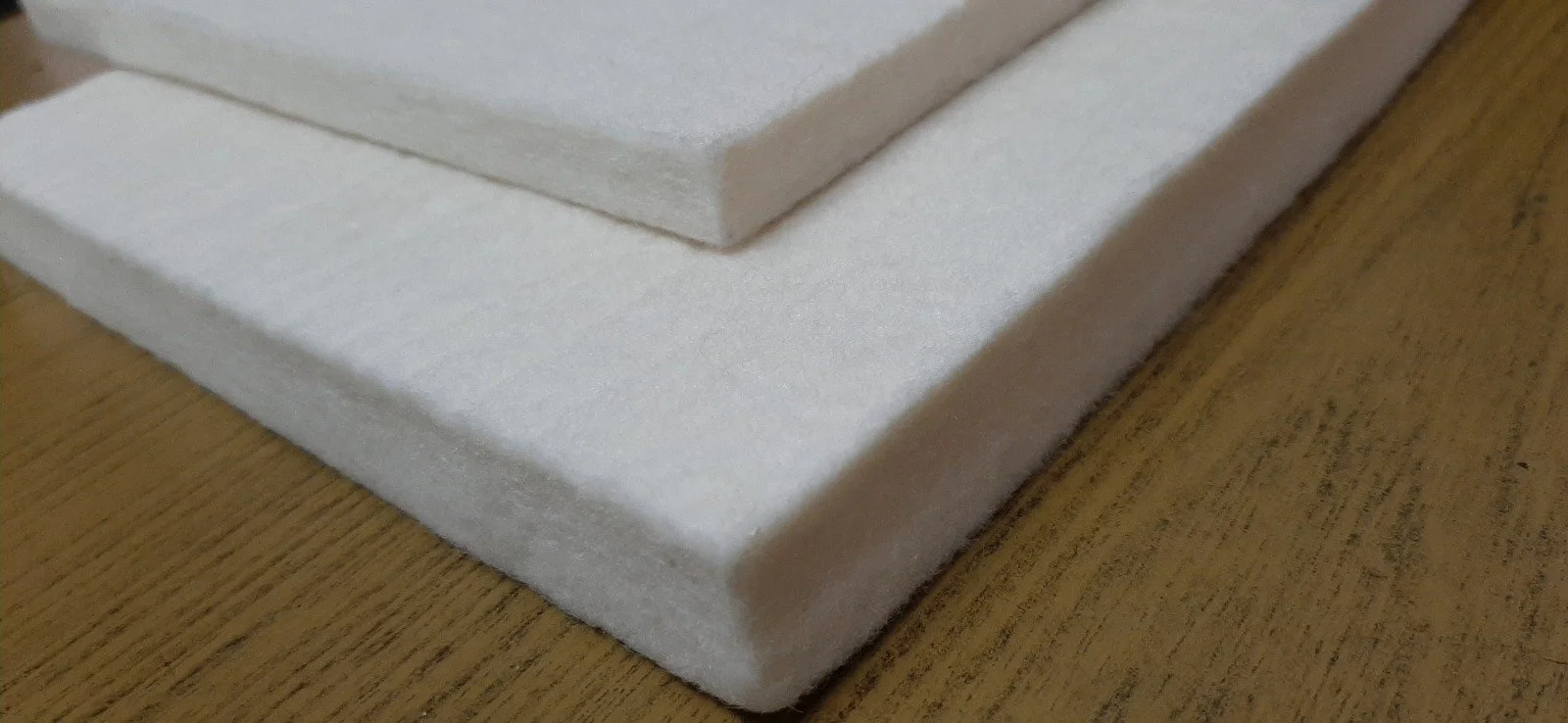
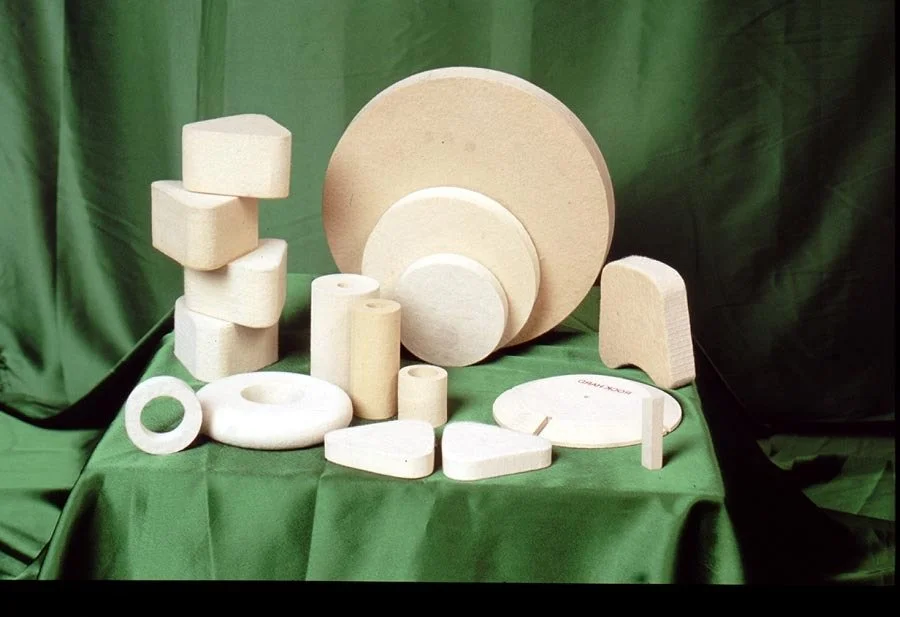
Natural Felt is a dense, non-woven textile produced by matting, condensing and pressing natural fibres—typically wool, sometimes blended with other animal fibres.
In industry, natural felt is valued for its durability, resilience, thermal insulation, acoustic dampening and natural oil content (which provides some water and stain resistance).
Common industrial uses include gaskets and seals, vibration and shock damping pads, polishing and buffing wheels, filtration media, conveyor belts, packings and protective padding. Its compressibility and recoverability make it ideal where cushioning and tight conformity are required; its flame resistance and low dust generation are additional advantages in specialized applications. Natural felt is biodegradable and renewable, offering an eco-friendlier alternative to many synthetic non-wovens.
Read more on Industrial Wool Felt …